Staying active after 60 is not about training for anything. It is about keeping the things you enjoy on the calendar: the morning loop around the neighborhood, Saturday golf, the tomatoes that need staking, the grandkids who want one more game. The good news is that everyday activities count. You do not need a gym membership to move well. You need a plan you can keep.
Here is a practical, season-by-season approach to three of the most popular ways older adults stay on the move: walking, golf and gardening. We will finish with a simple cool-down routine, which is where many people like to work in a balm.
What the guidelines actually say
The CDC's activity guidance for adults 65 and older is refreshingly simple. Each week, aim for:
- At least 150 minutes of moderate activity, such as brisk walking. That could be 30 minutes a day, five days a week.
- Muscle-strengthening activities on at least two days that work the legs, hips, back, abdomen, chest, shoulders and arms.
- Balance activities, such as walking heel-to-toe or standing up from a chair without using your hands.
The CDC also says that if you cannot meet these numbers, be as active as your abilities allow, because some activity is better than none. That is the spirit of this whole article. Start where you are.
Walking: the easiest habit to start
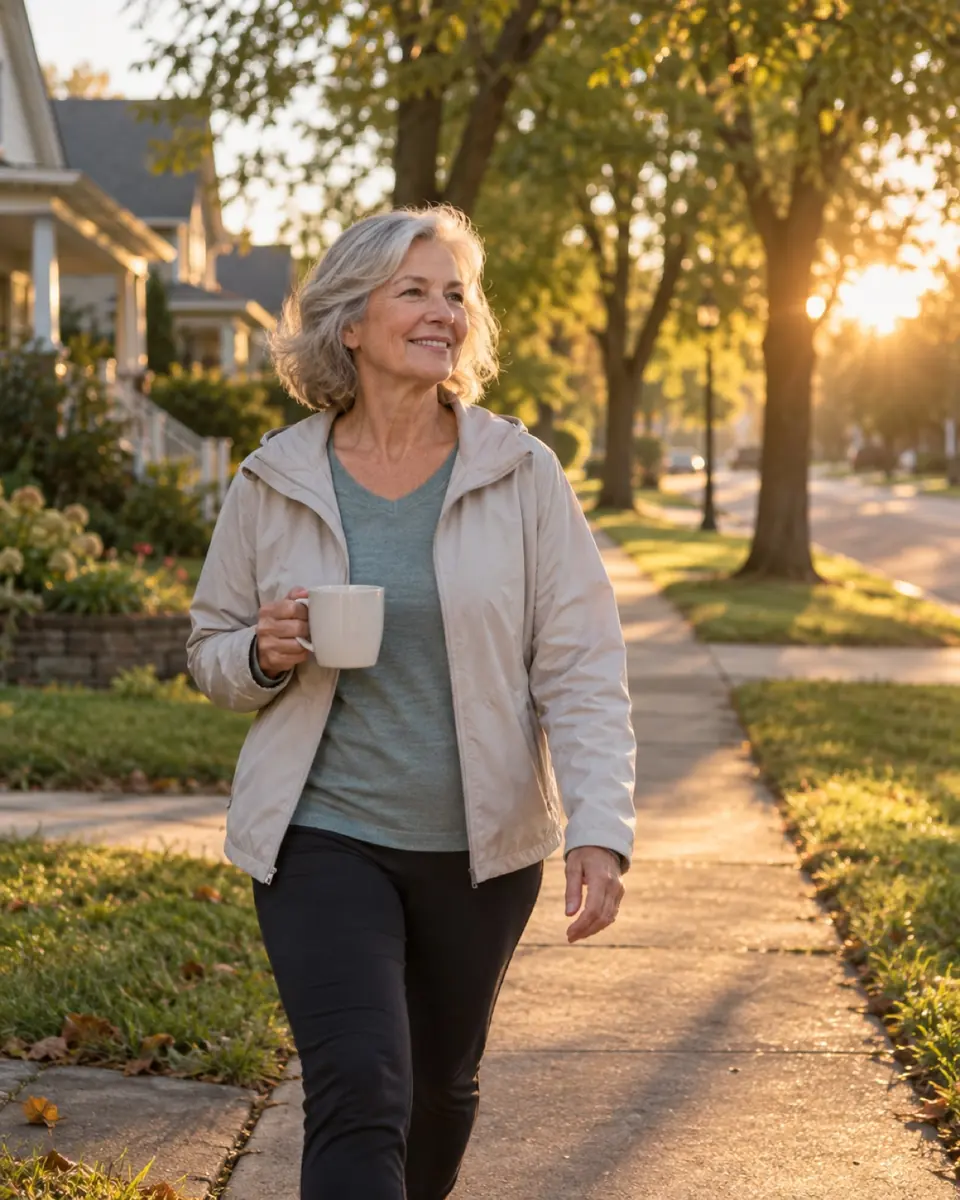
Walking asks for almost nothing: comfortable shoes, a safe route and a little time. That is why it is the backbone of most active-aging routines.
Make it easy to begin
- Pick a time and protect it. Right after breakfast or right after dinner works for many people because it attaches the walk to something you already do.
- Start short. Ten minutes out and back is a real walk. Add a few minutes each week.
- Use the talk test. Moderate effort means you can talk, but you would not want to sing.
- Walk with someone. A neighbor, a spouse or a walking group makes you more likely to show up.
Walking through the seasons
In summer, go early or late to avoid the heat and carry water. In fall and winter, choose well-lit routes, wear layers you can unzip, and watch for wet leaves and ice. On bad-weather days, an indoor track, a shopping mall or a few laps around the house still count.
Golf: warm up before the first tee
Golf is a wonderful active-aging sport. You are outdoors, you are with friends, and if you walk the course, you can cover a lot of ground without noticing. The most common mistake is going straight from the car to a full swing.
A five-minute warm-up
- March in place or walk briskly around the clubhouse for a minute or two.
- Arm circles, small to large, forward and back.
- Gentle trunk turns with a club held across your shoulders.
- Hip swings, holding a cart or bench for balance.
- Half swings with a short iron before moving to the driver.
On the course, walk when you can, pace yourself on hills, and drink water before you feel thirsty. Keep a small kit in your bag: sunscreen, a hat, a snack and anything else you like to have on hand after the round.
Gardening: work smarter, not longer
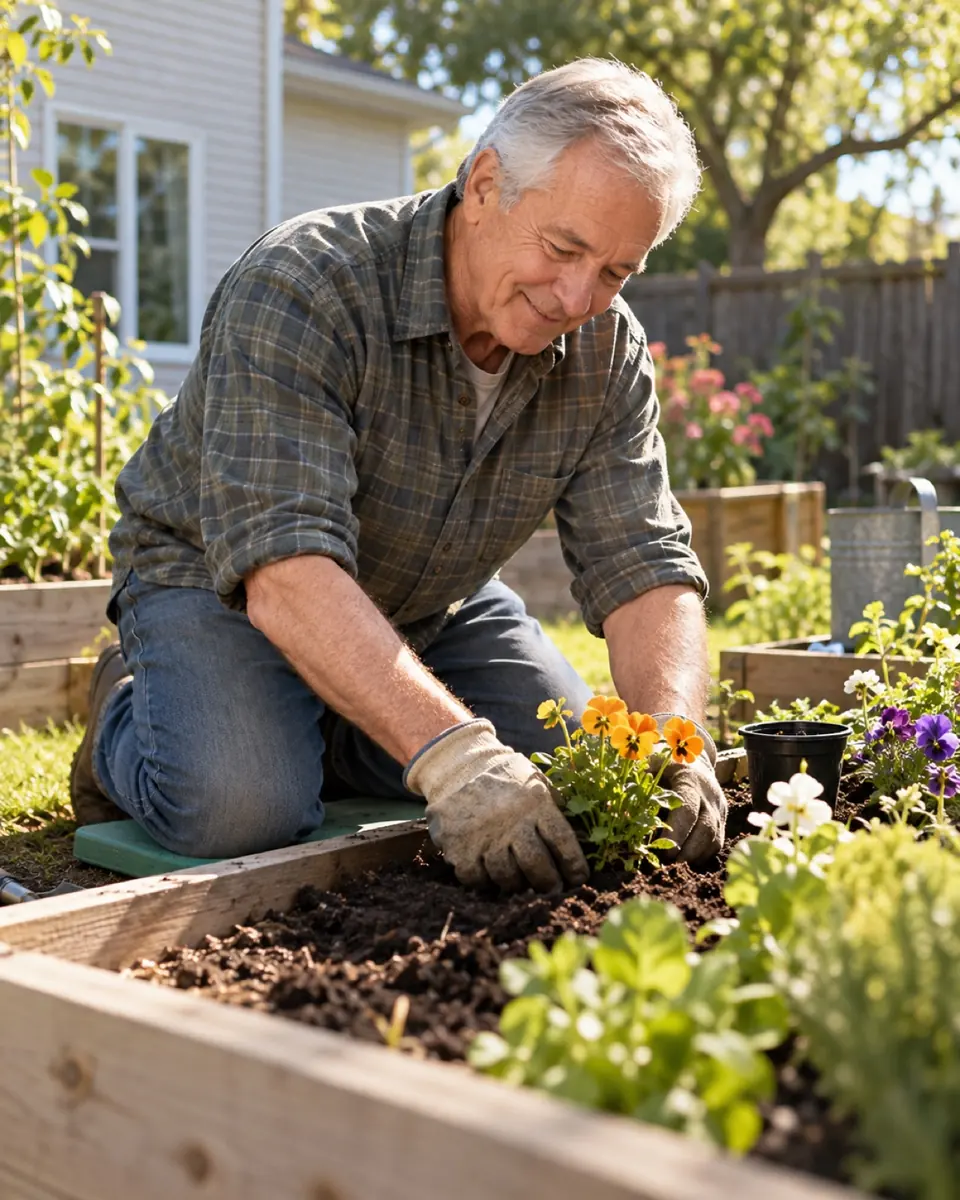
Gardening combines bending, lifting, carrying and reaching, so it quietly covers several kinds of activity at once. A few changes to your setup can make long afternoons outside much more comfortable.
- Raise the beds. Raised beds or container gardens mean less bending and kneeling.
- Use a kneeling pad or garden seat for low work.
- Choose long-handled tools so you can stand taller.
- Switch tasks often. Alternate weeding, watering and pruning rather than doing one motion for an hour.
- Lift with your legs and keep bags of soil close to your body, or use a wheelbarrow or wagon.
- Take breaks in the shade and keep water nearby.
Spring and fall are the busiest seasons in the garden. Treat the first big day of the year like the first round of golf: ease in, and save the heavy jobs for later in the week.
Do not skip strength and balance
Walking, golf and gardening are great for moving, but the guidelines also call for strength and balance work. You can do both at home in about 15 minutes:
- Sit-to-stands: stand up from a sturdy chair and sit back down slowly, ten times.
- Wall push-ups: hands on the wall at shoulder height, lean in and push back.
- Heel raises: hold the kitchen counter and rise onto your toes.
- Heel-to-toe walk: walk a straight line along a hallway, near a wall for support.
A simple sample week
| Day | Main activity | Extra |
|---|---|---|
| Monday | 30-minute walk | Strength moves, 15 minutes |
| Tuesday | Gardening | Heel-to-toe walk |
| Wednesday | 30-minute walk | Gentle stretching |
| Thursday | Strength moves, 15 minutes | Short walk |
| Friday | 30-minute walk | Balance practice |
| Saturday | Nine or eighteen holes, walking if you can | Cool-down routine |
| Sunday | Rest or an easy stroll | Plan the week |
Finish with a cool-down routine
The end of an active day is a good time to slow down on purpose. Try this ten-minute routine:
- Walk slowly for two or three minutes to bring your breathing back to normal.
- Stretch gently: calves against a wall, the front of your thighs while holding a chair, and your chest in a doorway. Hold each for about 20 to 30 seconds without bouncing.
- Drink a glass of water.
- Take a few minutes for a hand massage on your shoulders, knees, calves or hands. Many people like to use a rich balm for this part of the routine.
Before starting a new activity program, check in with your doctor, especially if you have not been active for a while or you have a health condition. The same goes for any new CBD product.
Talk to your doctor first, especially if you take medications
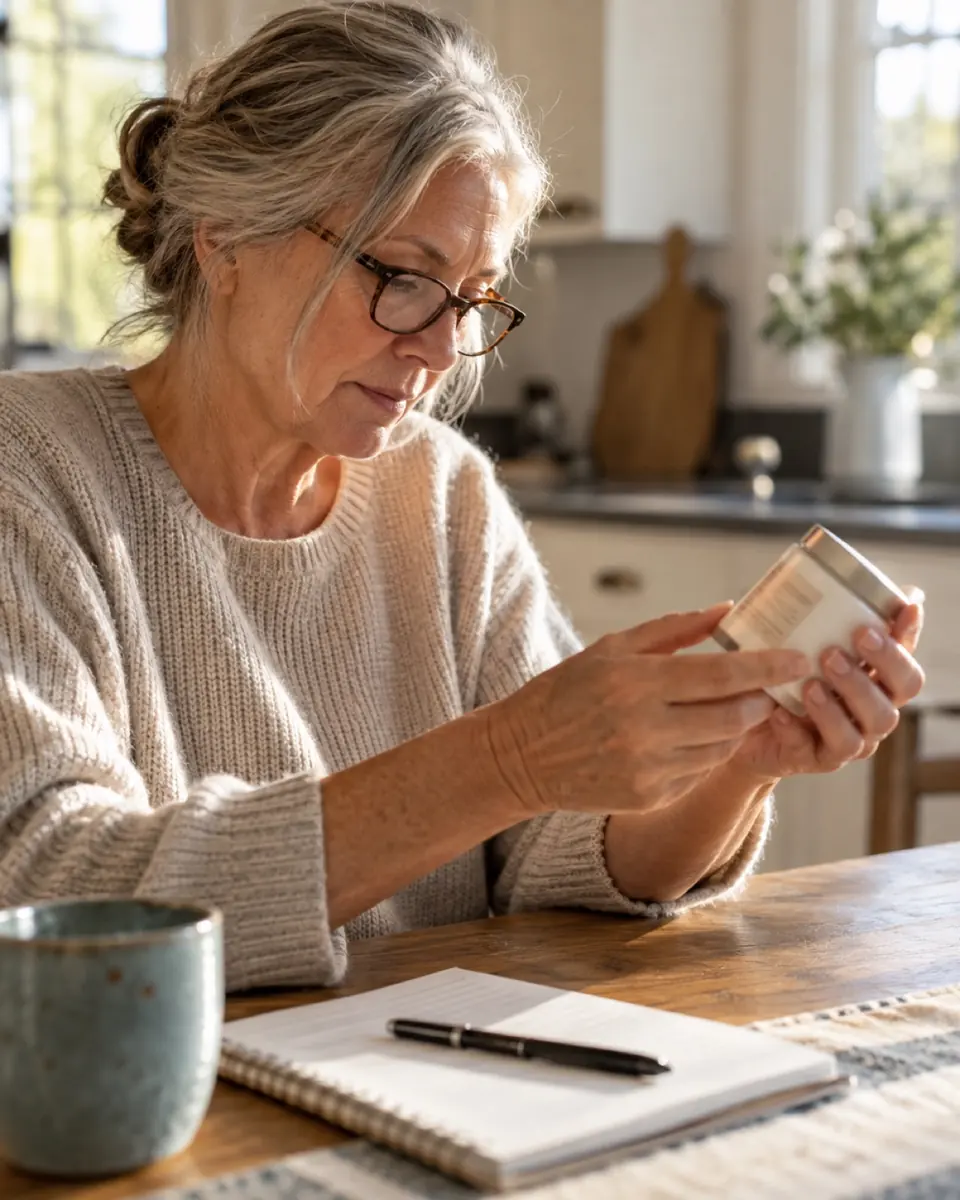
CBD can affect how some other medicines work. Before you try any CBD product, bring the label (and its lab report) to your doctor or pharmacist and ask whether it makes sense with everything else you take.
This article is for general education and is not medical advice. These statements have not been evaluated by the FDA. K61 products are not intended to diagnose, treat, cure, or prevent any disease. For adults 21+.