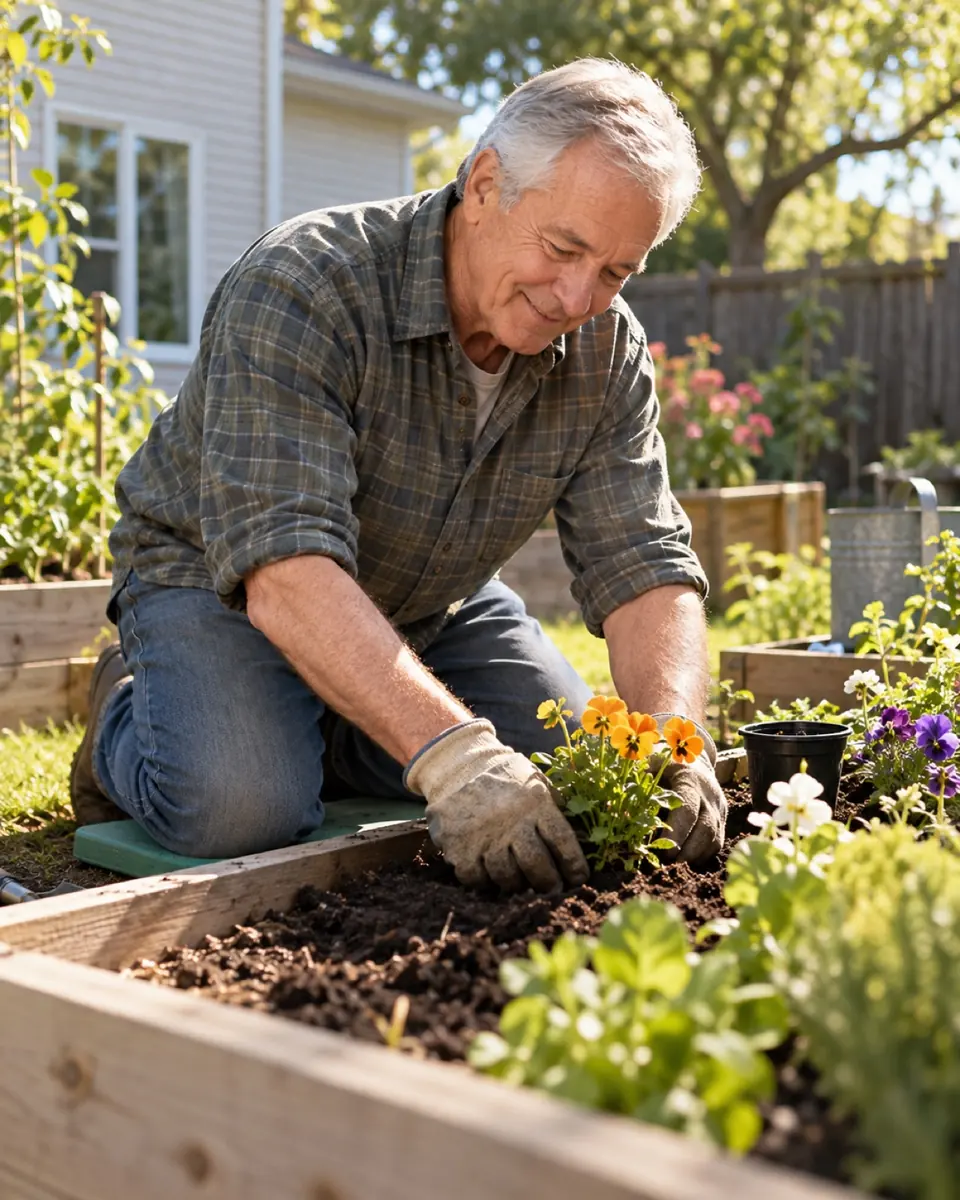
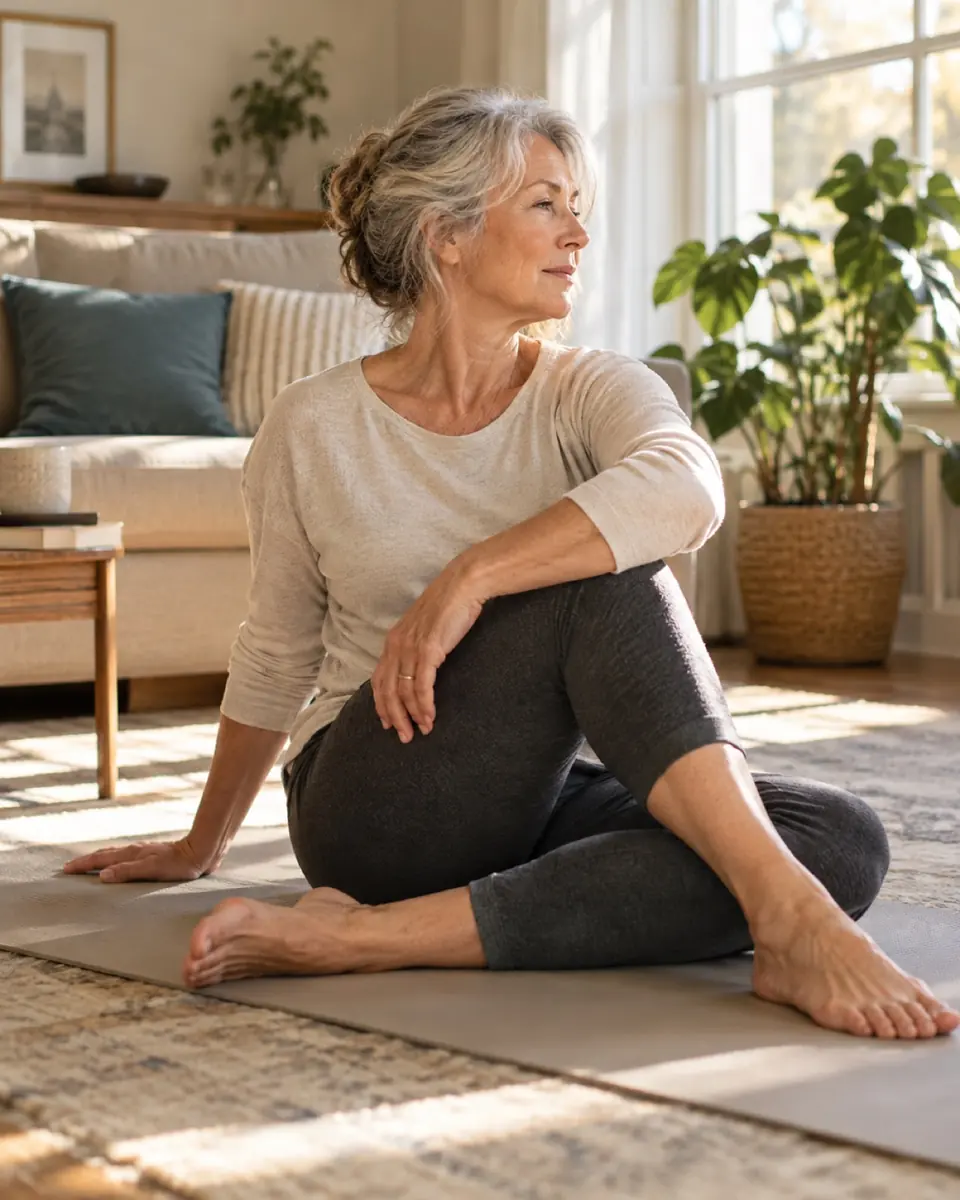
Think about how much of your day runs through your hands: pulling weeds, turning a wrench, holding a golf club, knitting a scarf, opening a jar, typing an email to the grandkids. We stretch our legs before a walk, but hands rarely get the same attention. For people who love hands-on hobbies, a few minutes of care before and after can make long afternoons in the garden or the workshop more comfortable.
Here is a simple routine for warming up, taking breaks, setting up your tools and finishing the day.
Warm up your hands in two minutes
Do these slowly, without forcing anything. If a movement hurts, skip it.
- Warm water or warm hands. Hold a warm mug or run your hands under warm water for 30 seconds.
- Make a soft fist, then spread your fingers wide. Repeat five times.
- Finger touches. Touch your thumb to the tip of each finger, one at a time, then back again.
- Wrist circles. Five slow circles in each direction.
- Tabletop slide. Rest your palm flat on a table and gently slide your fingers apart and back together.
Take breaks before you need them
The most useful habit is also the easiest to forget: change what your hands are doing every 20 to 30 minutes. Set a kitchen timer or a phone reminder.
- Gardeners: switch between weeding, watering and pruning instead of doing one motion for an hour.
- Knitters and crocheters: stop at the end of a row, set the work down and open and close your hands.
- Woodworkers and fixers: put the tool down between steps and let your grip relax.
- Golfers: loosen your grip between shots. Many people squeeze the club much harder than they need to.
Set up your tools to do more of the work
Small changes to your gear can mean less squeezing and twisting.
| Hobby | Try this |
|---|---|
| Gardening | Tools with thick, padded handles; ratchet pruners; a wagon for heavy bags; well-fitted gloves |
| Knitting and crochet | Larger or ergonomic needles and hooks; good light so you are not gripping tightly to see |
| Woodworking and repairs | Power tools for long jobs; a clamp or vise to hold the piece instead of your hand |
| Kitchen | A jar opener, a rocker knife and lightweight pans |
| Golf and pickleball | A larger grip size, or a fresh grip if yours is worn smooth |
An occupational therapist is the expert on this. If everyday tasks are getting harder, ask your doctor whether a visit makes sense.
Strength for grip, gently
Hand strength is part of staying independent: carrying groceries, opening doors and holding a railing. A few easy moves, a few times a week, help keep grip in the routine:
- Soft ball squeeze: squeeze a soft foam ball for three seconds, then release. Ten times per hand.
- Towel wring: gently twist a dry hand towel in both directions.
- Rubber band spread: loop a light rubber band around your fingers and open your hand against it.
- Carry practice: carry a light grocery bag in each hand from the car to the kitchen, standing tall.
The CDC's activity guidance for older adults recommends muscle-strengthening activity on at least two days a week, and these count toward the arms.
Finish the day with a hand massage
When the work is done, take five minutes. Wash your hands, then sit somewhere comfortable.
- Warm a small amount of a rich balm between your palms.
- With your thumb, make small circles across the palm of the other hand.
- Work along each finger from the base to the tip.
- Finish with slow strokes from the wrist toward the elbow.
- Switch hands, then wash your hands again before touching your eyes.
Many people like a water-free balm for this, because a small amount covers both hands and it does not dry out quickly. Test any new topical on a small patch of skin first.
Prefer something you can keep in a garden apron or a toolbox? The twist-up stick keeps your fingers clean.
When to call your doctor
This article is about everyday comfort for busy hands. Swelling, numbness, tingling, weakness, or discomfort that does not go away are worth a call to your doctor. If you are curious about CBD, bring the product label and its lab report to that visit. K61's list of questions to bring to your doctor about CBD is a good starting point.


Want a printable plan for the fridge? Our free Active Aging Starter Guide has a weekly movement plan, a daily routine checklist and questions for your doctor.
Common questions
How often should I rest my hands during a hobby?
A simple rule is to change what your hands are doing every 20 to 30 minutes. A kitchen timer or phone reminder makes it easy to remember.
What tools are easier on the hands for gardening?
Tools with thick, padded handles, ratchet pruners and long-handled tools help. A wagon or wheelbarrow saves your grip on heavy loads.
Can I use a CBD balm for a hand massage?
Many people use a rich balm for an end-of-day hand massage. Test it on a small patch of skin first, wash your hands afterward, and ask your doctor before trying CBD, especially if you take medications.
Talk to your doctor first, especially if you take medications
CBD can affect how some other medicines work. Before you try any CBD product, bring the label (and its lab report) to your doctor or pharmacist and ask whether it makes sense with everything else you take.
This article is for general education and is not medical advice. These statements have not been evaluated by the FDA. K61 products are not intended to diagnose, treat, cure, or prevent any disease. For adults 21+.